Theory of Change Model

A robust Theory of Change model

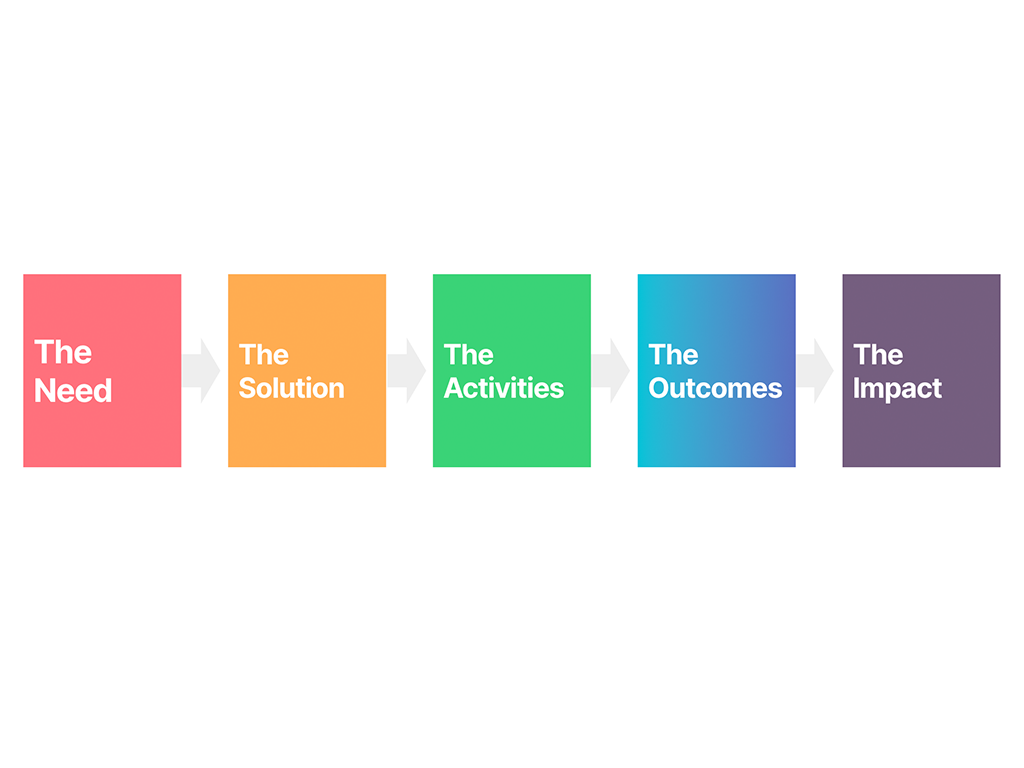
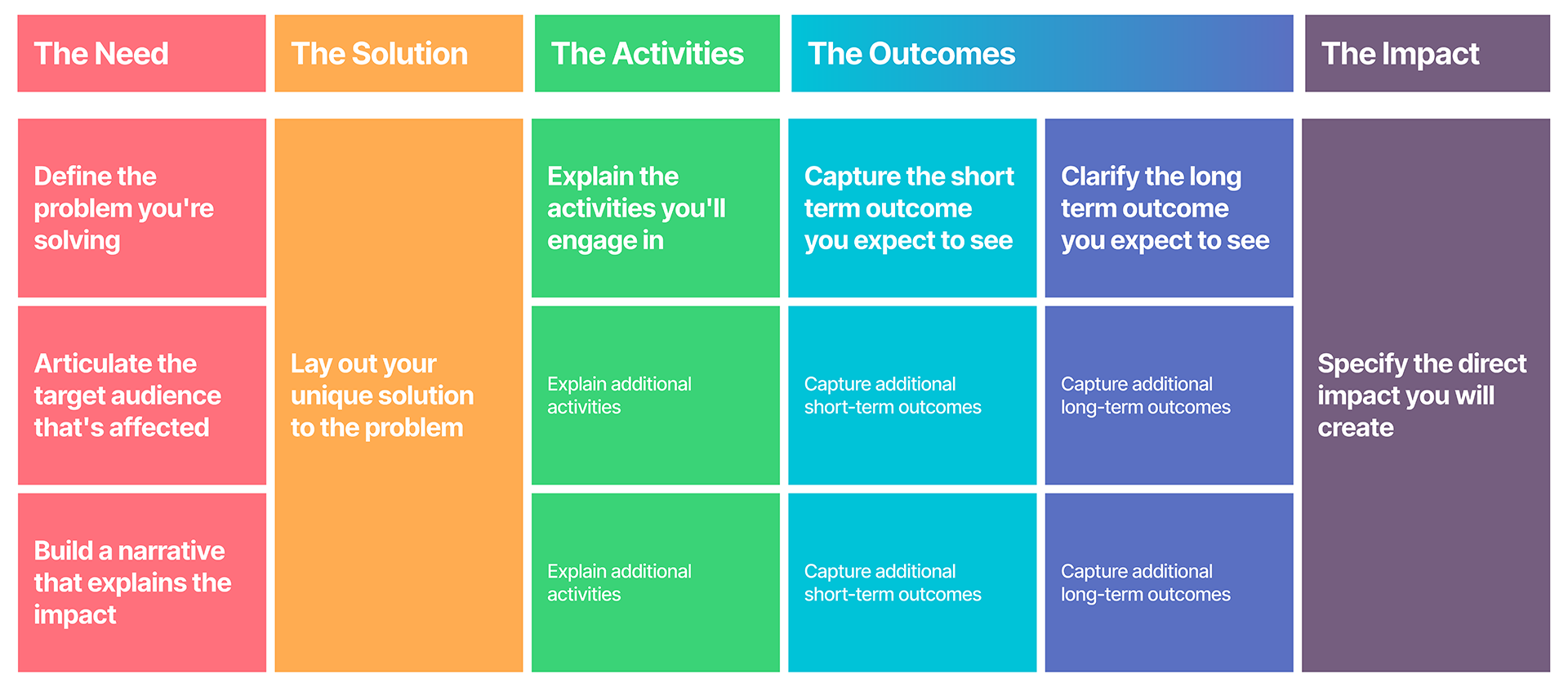
​Our toolkit introduces a structured Theory of Change model comprising eight sequential areas, each contributing to a comprehensive and actionable ToC. This page provides an overview of the model and delves into each area, explaining its significance, how it connects to the others, and its role in the ToC development process.​

Theory of Change Model Overview
Used by

A robust, simplified Theory of Change model

This Theory of Change model is designed to guide organisations through a logical sequence of eight interconnected areas. By systematically addressing each component, you can gain deep insights and ensure the robustness of your change initiatives. The sequential nature of the framework facilitates a clear pathway from identifying challenges to achieving impactful outcomes.​

Theory of Change Model

A simple, robust method

We’ve developed a Theory of Change model that can be used in a wide range of impact-focused situations and removed the ambiguity and vague language often associated with Theory of Change. Our focus was to create a framework that was clear, accessible and easy to develop.

Problem statement

Our Theory of Change model starts with a clear problem statement. Clearly defining the core issue your organisation seeks to address is foundational, and a well-articulated problem statement sets the stage for targeted interventions and aligns stakeholders on the central challenge. Jumping straight to solutions without investing in articulating the problem can lead to wasted resources or mission creep. A well-articulated problem statement acts as the anchor to your initiative, and developing this clarity early on means all subsequent efforts are focused and relevant.

Target audience

Identifying and understanding the specific groups or communities affected by the problem ensures that your strategies are tailored to meet their unique needs and contexts. By focusing on the right audience, you increase the relevance and effectiveness of your interventions.

Impact of the problem

Articulating the desired changes or benefits for your target audience helps in setting clear objectives and measuring the effectiveness of your interventions. This stage ensures that the outcomes are meaningful and directly linked to the needs of those you aim to serve.

Unique solution

Developing innovative and context-specific solutions distinguishes your approach and addresses the problem in a manner that leverages your organisation’s strengths and insights. This differentiation is crucial for creating impactful and sustainable change.

Activities

Outlining the specific actions and initiatives that will be implemented provides a roadmap for operationalising your strategy and ensures alignment with your overall objectives. This step translates your strategic vision into actionable steps.

Short-term outcomes

Defining immediate results that are expected shortly after implementing activities allows for early assessment of progress and informs necessary adjustments to strategies. These outcomes serve as indicators of whether your activities are on the right track.

Long-term outcomes

Identifying the broader changes anticipated over an extended period helps in understanding the trajectory of impact and guides sustained efforts towards achieving the ultimate goals. This perspective ensures that your organisation remains committed to its long-term vision.

Direct impact

Clarifying the overarching, long-term change your organisation aims to achieve encapsulates the vision and serves as the guiding star for all initiatives and strategies. This final stage ensures that all efforts are aligned towards a common, impactful goal.

Create your Theory of Change

Start using our Theory of Change template for your impact-focused initiative.

Scroll to Top